
5 Ways Storytelling Helped Me Heal: From Trauma, High Blood Pressure, and Shame to Self-Leadership
When Trauma Isn’t Spoken, the Body Remembers
For a long time, I didn’t feel comfortable telling my story.
It felt personal. Exposed. Something I had quietly learned to live with rather than talk about. I didn’t see it as powerful — I saw it as something that simply happened to me, something I carried in the background of my life.
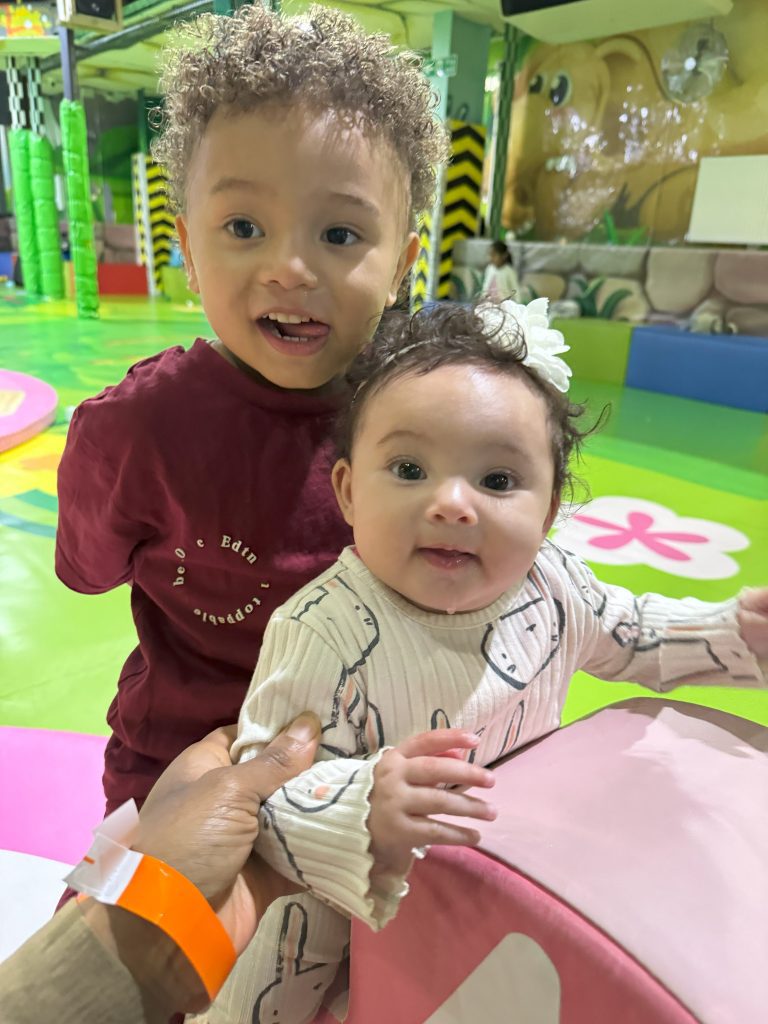
My story with trauma began during my first pregnancy. It was touch and go. I developed pre-eclampsia, my blood pressure was dangerously high, and there were moments where things could have gone very differently.
Thankfully, my baby and I came through it. But my body didn’t simply reset once the crisis passed.
At just 24 years old, I was put on high blood pressure medication — and I stayed on it for 22 years.
Physically, I coped.
Emotionally, I carried shame.
Being on medication at such a young age really bothered me. I questioned my body, my health, and myself. Like many women, I didn’t talk about it. I just got on with life — family, responsibility, work, survival mode.
What I didn’t understand then was this:
Trauma doesn’t always leave when the event is over.

When Trauma Goes Unspoken, the Body Carries the Load
For years, I didn’t have the language to describe what my body had been through. I didn’t label it as trauma — I just saw it as something in the past.
But unspoken experiences don’t disappear.
They often show up as ongoing stress, health challenges, tension in the body, or a sense of disconnection from self.
Looking back now, I can see how my body stayed in protection mode. High blood pressure wasn’t just a number — it was a signal.

How Becoming a Holistic Health Coach Changed My Relationship With My Body
Everything began to shift when I trained as a holistic health coach.
For the first time, I stopped seeing my body as something that had failed me and started understanding it as something that had been protecting me.
I learned how food, movement, stress, mindset, and lifestyle all work together. Healing isn’t about fixing yourself — it’s about understanding yourself.
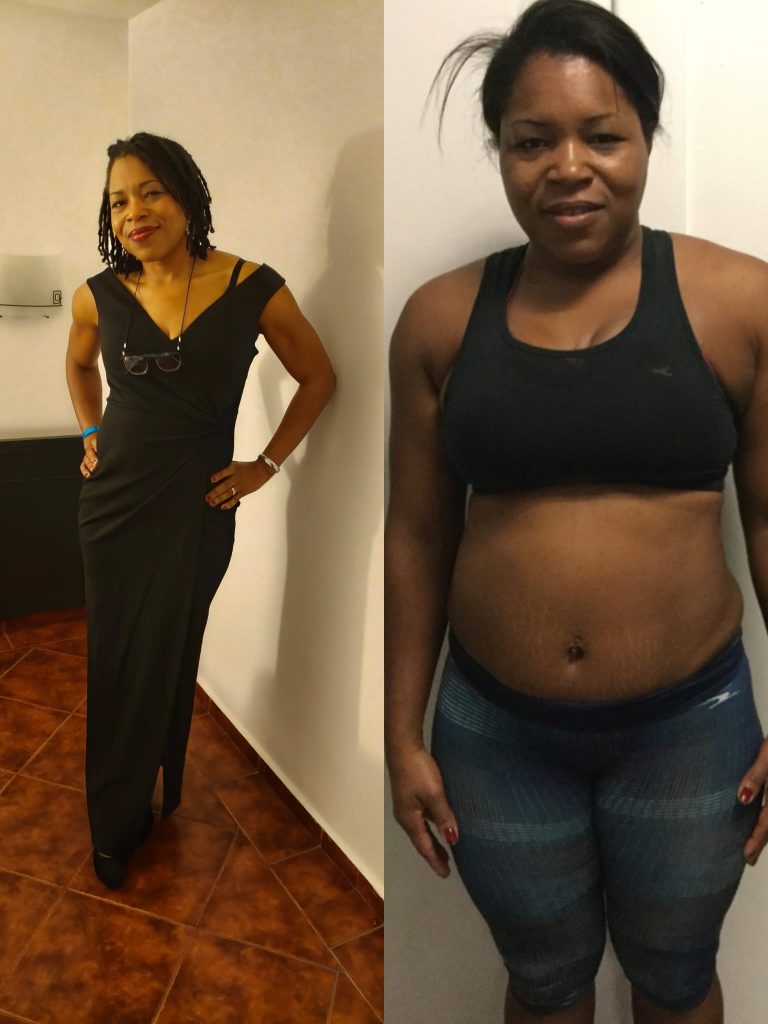
Through changes in nutrition, lifestyle, and how I supported my body, my blood pressure gradually improved. Eventually, I was able to come off medication — something I once believed would never be possible.

I Didn’t Choose Storytelling — It Found Me
I didn’t feel ready to tell my story at first.
It was actually other people who encouraged me. As I began opening up in small, safe spaces, people started saying,
“You need to share your story. This will help others.”
What I had carried with shame for years was something others saw as resilience and hope.
That’s when storytelling became less about me — and more about impact.
(Note: You mentioned an image here — you can easily place it above or below this section in WordPress and adjust alignment or rotation there.)
Why Storytelling Can Be Healing (and Why Space Matters)
Storytelling isn’t about oversharing or reliving pain.
It’s about understanding your journey, naming your experiences without judgement, and releasing the shame that often comes with silence.
This is why counselling and supportive conversations work. Being heard without judgement allows the nervous system to soften and the body to feel safer.
The opposite is also true. When trauma stays hidden or dismissed, it can continue to affect both mental and physical wellbeing.

From Storytelling to Self-Leadership
I wouldn’t say storytelling has always been at the heart of my work — but it’s becoming more important.
The more I listen to women, the more I see how understanding their story helps them lead themselves better. They make kinder choices, respond rather than react, and stop blaming their bodies.
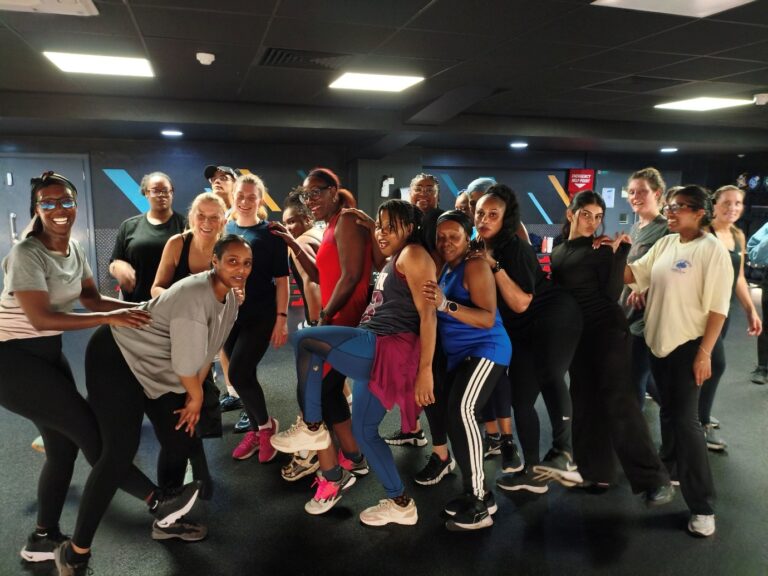
I see this regularly in my Zumba & Connect sessions — women reflecting, nodding, writing, listening. Not fixing. Just understanding.
Still Here. Still Learning. Still Rising.

Every woman carries a story.
Some are loud.
Some are quiet.
Some are still unfolding.
And while not every story needs to be shared out loud, every story deserves to be understood.
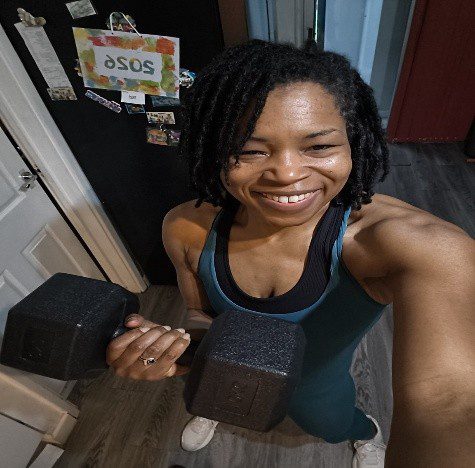
For a long time, I didn’t recognise that simply being still here — still standing — was already a sign of strength. Understanding my own journey helped me release shame, support my body differently, and step into a deeper sense of self-leadership.
What once felt like something to hide became something I could stand in with confidence.
Through my work, I now see this reflected in so many women. Women who have been through life — through challenges, stress, and change — and who are still standing. Not untouched. Not unchanged. But resilient.
That’s what I aim to support through Zumba & Connect and my wider holistic wellbeing programmes: spaces built on movement, community support, mindset practices, and sustainable habits that last.
Spaces where women can begin to unpick their story, understand themselves better, and realise that being still standing is not an accident — it’s evidence of strength.
If this blog has resonated with you, I invite you to explore my website and see if there’s something there that could support your journey — whether that’s joining a session, taking part in a programme, or simply learning more.
Because healing doesn’t happen in isolation.
And if you’re still here, still standing — your story already matters.