7 Things Every Woman Should Know About Carbohydrates
Are Carbohydrates Really the Problem?
Carbohydrates have become one of the most misunderstood foods in the entire health and fitness world.
I’ve heard it all:
“Carbs make you fat.”
“I cut out carbs to lose weight.”
“Carbs caused my diabetes.”
“I can’t eat carbs after 6pm.”
But are carbohydrates really the problem?
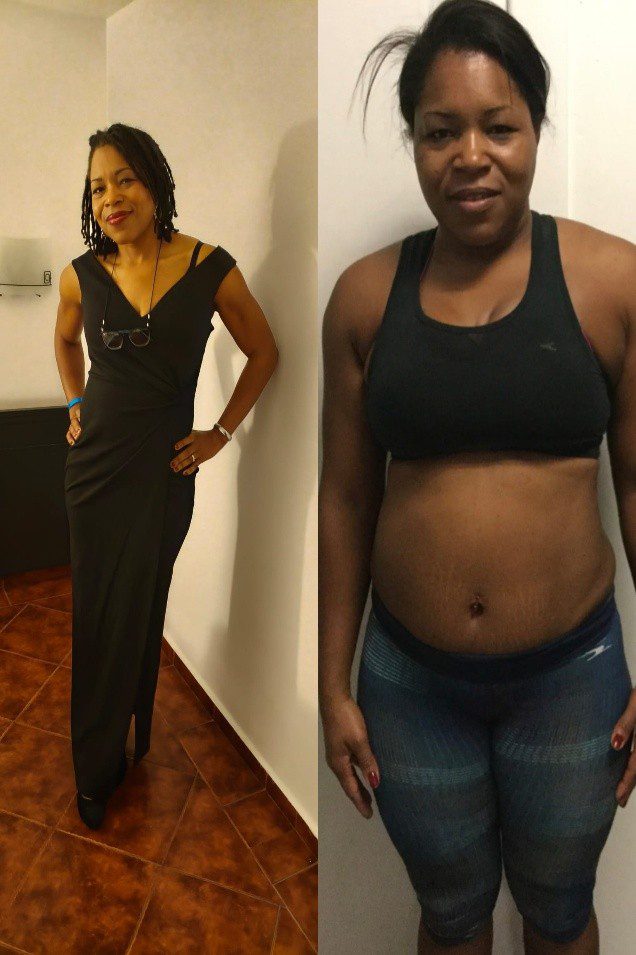
As someone who reversed Type 2 diabetes naturally and lost over 3 stone, I can tell you this with complete confidence:
I didn’t eliminate carbohydrates. I learned how to understand them. And that changed everything.
In this blog, I’m sharing 7 things every woman should know about carbohydrates — so you can make informed, confident choices instead of fearing food.
1. Carbohydrates Are Your Body’s Preferred Energy Source
Carbohydrates are your body’s main source of energy.
When we eat them, they’re broken down into glucose (sugar), which your cells then use as fuel. Your brain, your muscles and your nervous system all rely on glucose to function properly.
Without enough carbohydrates, many women experience:
- Low energy
- Poor concentration
- Reduced exercise performance
- Increased fatigue
Carbohydrates are not bad. The key is choosing the right types, in the right amounts, for your body.
2. Not All Carbohydrates Are Created Equal
One of the biggest mistakes people make is treating every carbohydrate as if it’s the same.
There’s a huge difference between these two groups:
Lower Glycaemic Carbohydrates
- Spinach
- Broccoli
- Cabbage
- Salad vegetables
- Berries
- Beans and lentils
Highly Processed Carbohydrates
- Cakes
- Sweets
- Pastries
- White bread
- Heavily starchy foods
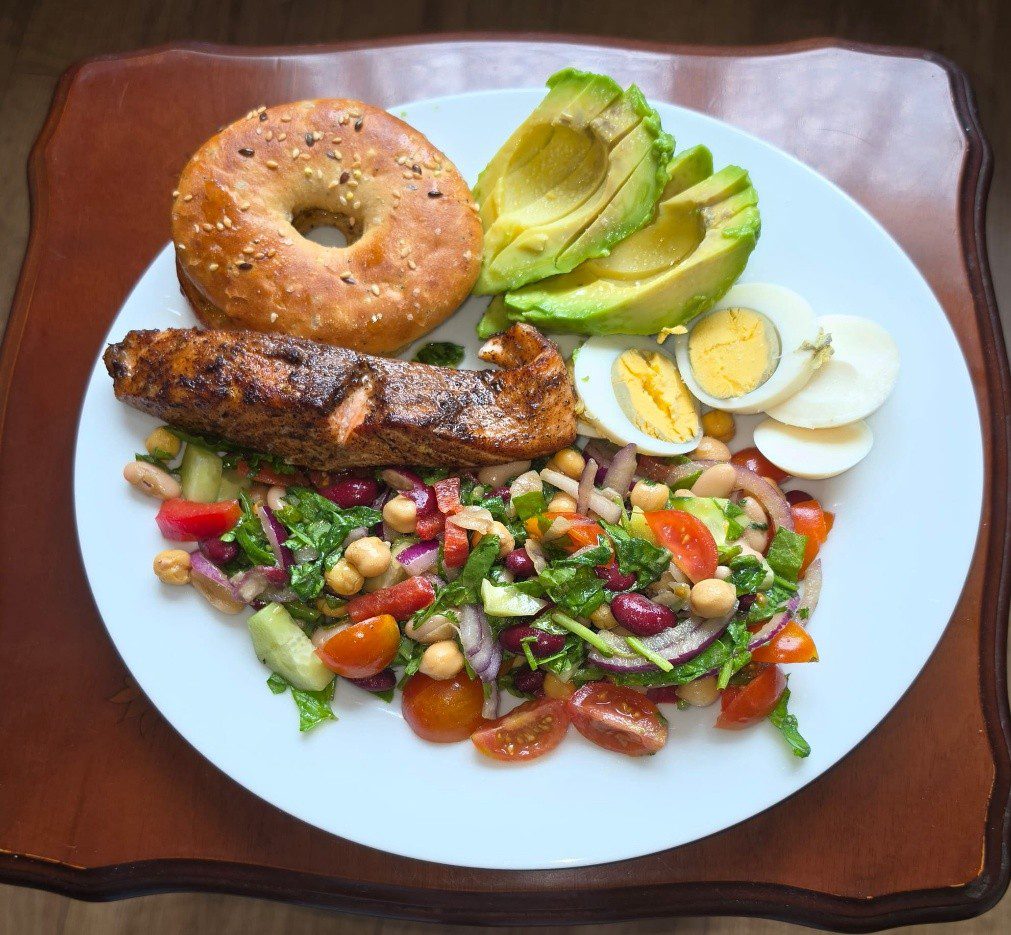
Vegetables are packed with fibre, vitamins, minerals and antioxidants that support your health. Processed carbohydrates tend to digest quickly, causing larger spikes in blood sugar and often leaving us hungry again soon afterwards.
The goal isn’t to avoid carbohydrates. The goal is to choose better ones, more often.
3. Carbohydrates Are Found in More Foods Than You Think
Many people assume carbohydrates only come from bread, rice, pasta and potatoes.
In reality, they’re also found in:
- Vegetables
- Fruit
- Beans
- Lentils
- Oats
- Dairy products
This is why simply saying “I don’t eat carbs” isn’t realistic for most people. Instead of fearing carbohydrates, it’s far more powerful to understand where they come from and how they affect your body.
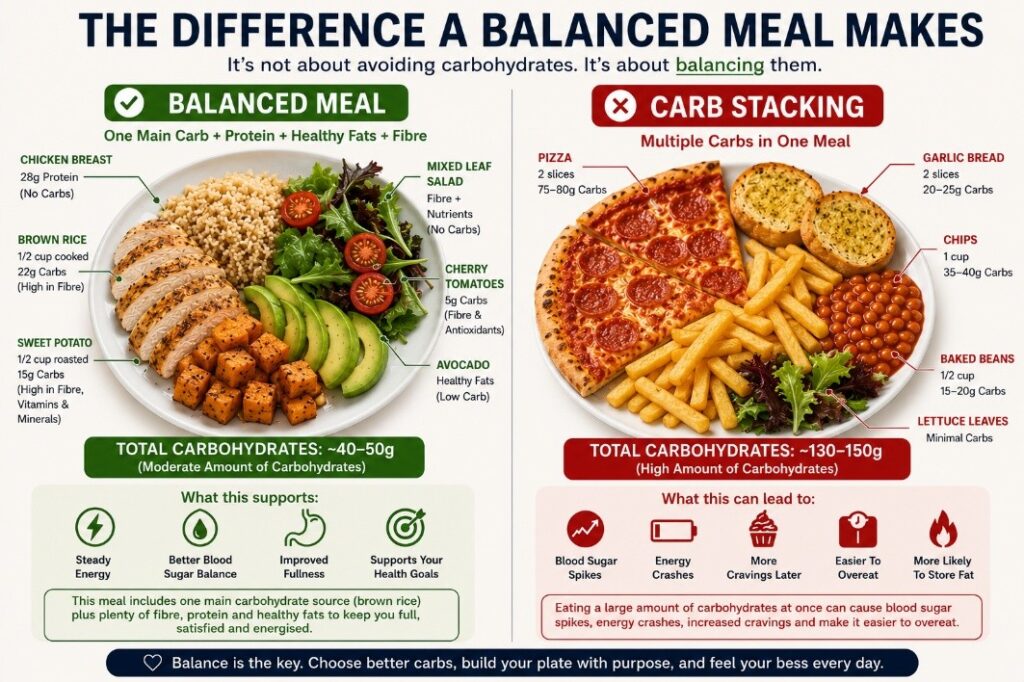
4. Carb Stacking Can Easily Lead to Overeating
This is something I teach regularly inside my programmes.
Carb stacking happens when several carbohydrate-rich foods are eaten together in the same meal. For example:
- Garlic bread
- Pasta
- Chips
- A sugary drink
All in one sitting.
Each food may be lovely on its own, but together they create a large amount of energy your body may not need in that moment.
Instead, I encourage you to build meals around my Complete Plate Code (CPC):
Fibre First
Healthy Fats
Then choose one main carbohydrate source. This creates a more balanced plate that supports fullness, steady energy and blood sugar balance.
5. Fibre Changes How Carbohydrates Affect the Body
This is one of the reasons I talk about fibre so much.
Fibre slows digestion and slows the release of glucose into your bloodstream. That can help:
- Improve fullness
- Support digestion
- Reduce cravings
- Support blood sugar balance
When your meals are built using the Complete Plate Code, carbohydrates become so much easier for your body to manage.
6. Movement Helps Your Body Use Carbohydrates More Efficiently
Many women don’t realise just how big a role muscle plays in blood sugar control.
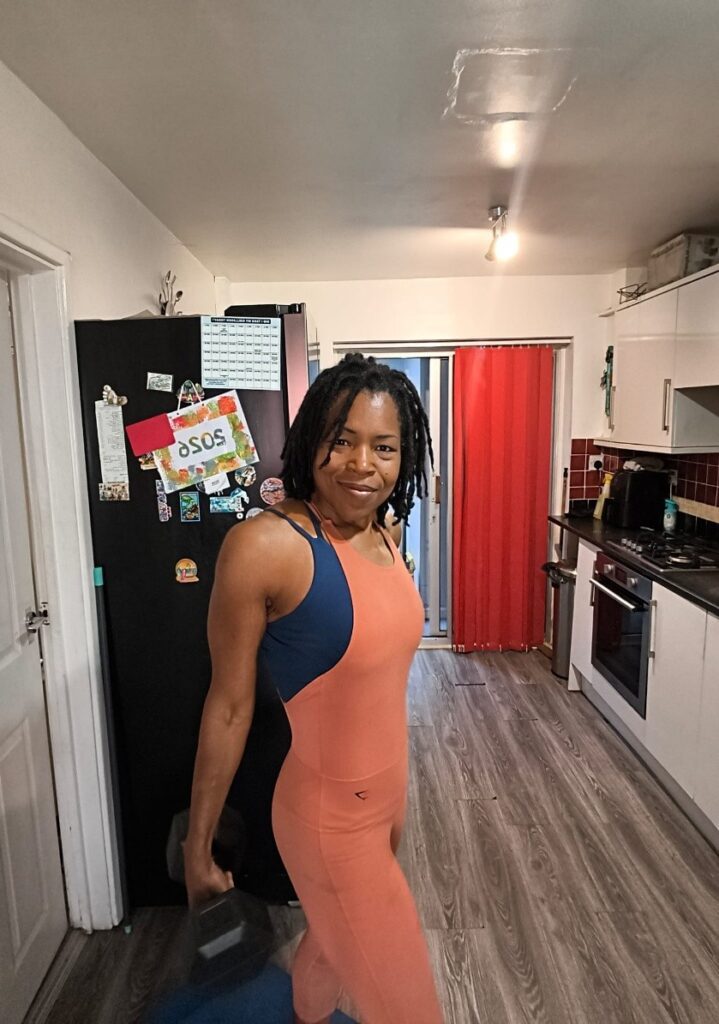
When we move our bodies and build muscle through strength training, our muscles act like a sponge for glucose. Instead of excess energy being stored, our muscles are able to use more of it.
This is one reason I encourage both movement and strength training. It’s not just about burning calories — it’s about helping your body use energy more effectively.
It’s also why regular exercise played such a big role in my own diabetes reversal journey.
7. Understanding Carbohydrates Helped Me Reverse Type 2 Diabetes
When I was first diagnosed with Type 2 diabetes, I thought carbohydrates were the enemy.
But the more I learned, the more I realised the issue wasn’t carbohydrates themselves. The issue was:
- Portions
- Food choices
- Hidden sugars
- A lack of understanding
I didn’t reverse my diabetes by cutting out all carbohydrates. I reversed it by learning:
- Which carbohydrates worked best for me
- How to balance my meals
- How to prioritise fibre
- How to include protein
- How to stay active
That knowledge gave me control over my health again.
Bringing It All Together
Carbohydrates are not the enemy.
Understanding them is the key.
When you focus on:
- Fibre first
- Protein
- Healthy fats
- Movement
- Balanced portions
…carbohydrates can absolutely be part of a healthy, joyful lifestyle.
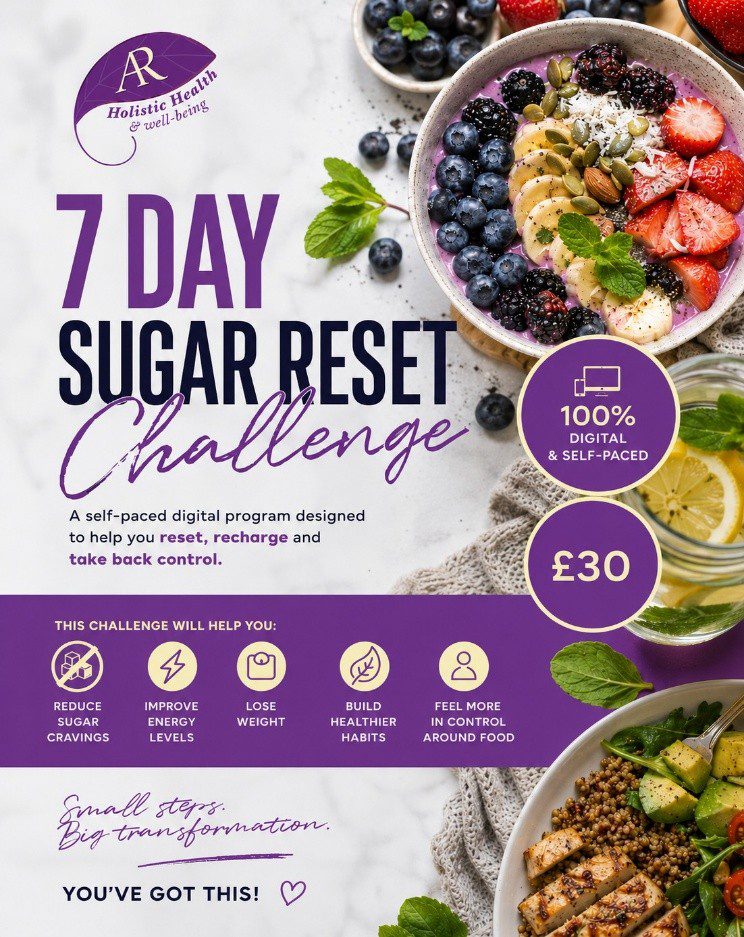
Inside, you’ll learn:
- How sugar affects your body
- Where hidden sugars are hiding
- How to reduce cravings
- How to build healthier habits
- How to feel more in control around food
For just £30, you’ll get practical, supportive guidance to help you reset, recharge and take back control.
Whether you’re just starting out or looking for ongoing encouragement, you’ll be surrounded by like-minded women who are working towards becoming stronger, healthier versions of themselves.
Click here to find out more about the Full Spectrum Fitness Programme.
I hope this blog has helped you see that carbohydrates aren’t something to fear — they’re something to understand.
Enjoy your food. Enjoy your movement. Enjoy who you are today. And remember: every healthy choice you make is an investment in the person you’re becoming tomorrow.
With love,
Annetta Reid
AR Holistic Health & Fitness